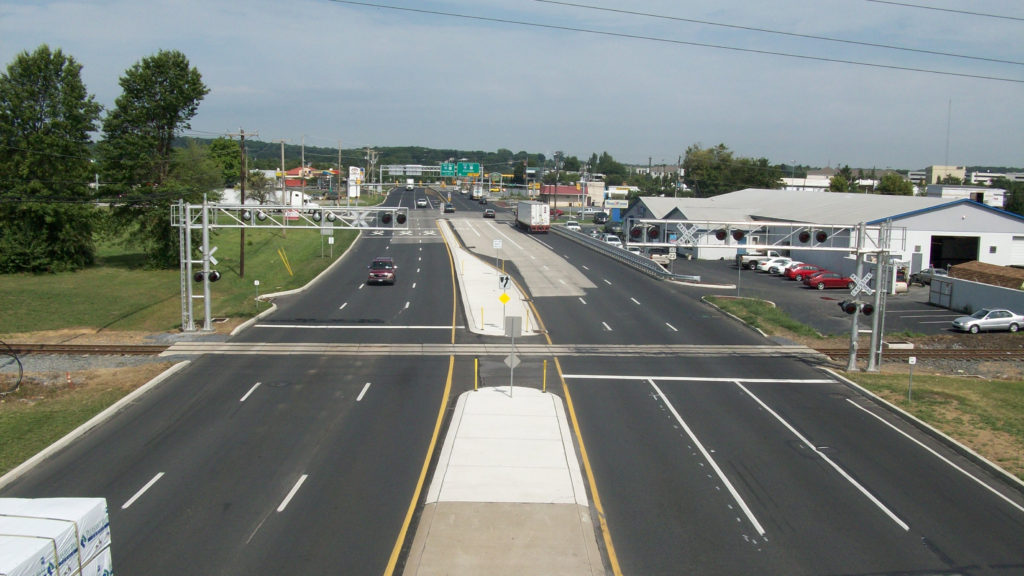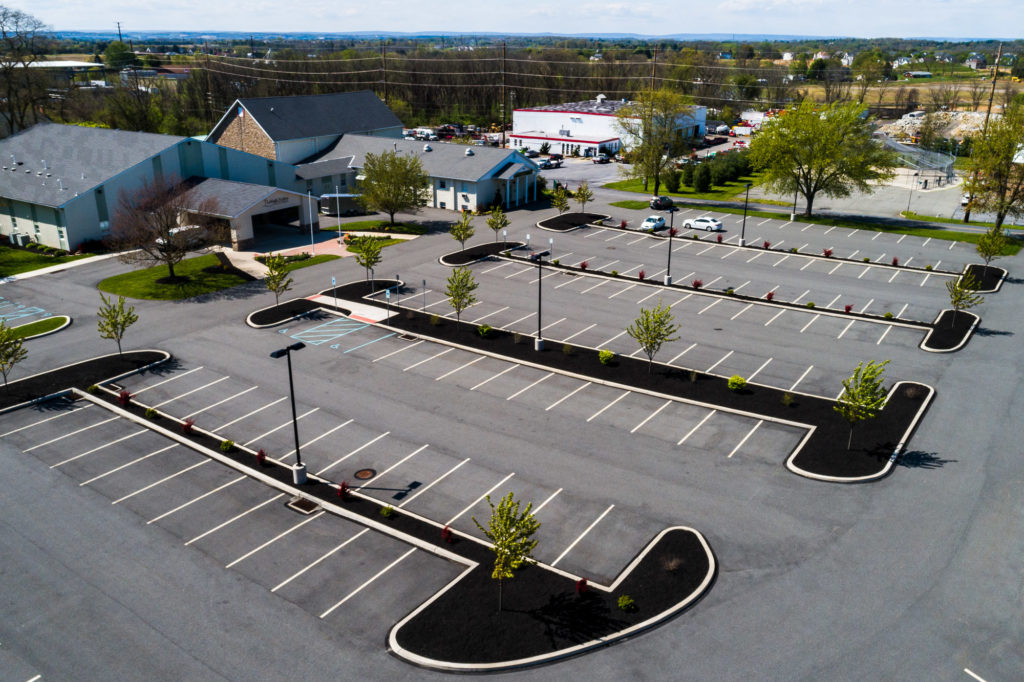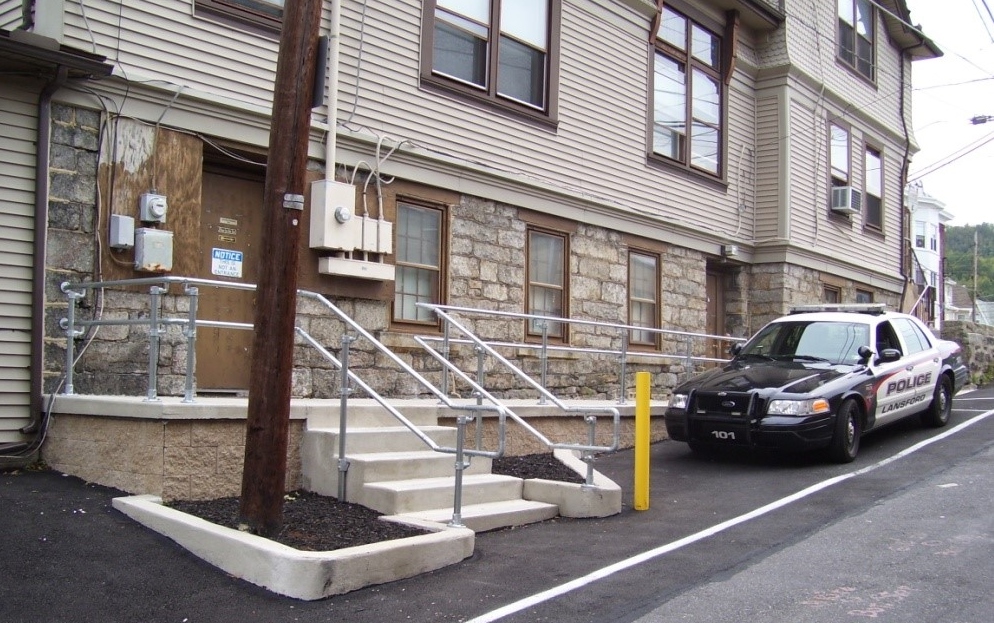
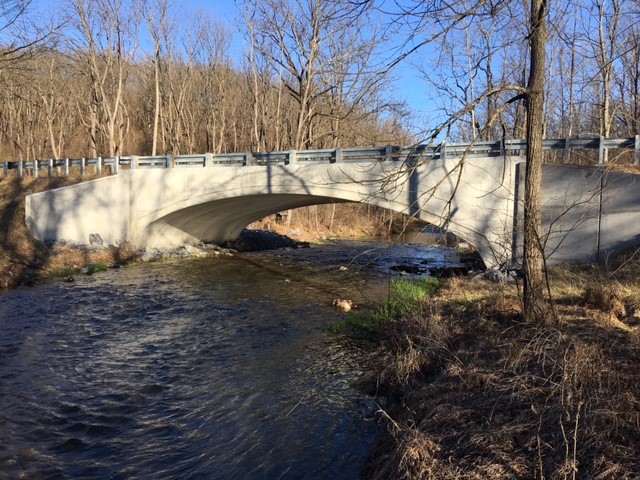
Keystone Consulting Engineers, Inc. (KCE) was contracted by Upper Macungie Township in Lehigh County to manage this major, multi-million dollar capacity building project to alleviate severe traffic congestion on Rt. 100
Keystone Consulting Engineers, Inc. (KCE) provided comprehensive land development services to design and obtain requisite permits for a new dormitory at Moravian College in Bethlehem, PA. The new facility occupies an environmentally sensitive site adjacent to the Monocacy Creek, much of it in the floodplain.
KCE performed an in-depth GIS (Geographic Information System) analysis and design for this large subdivision and land development project, which involved extensive construction stakeout and other surveying services over several years.
Keystone Consulting Engineers provided all the mapping and boundaries on the mapping within the comprehensive plan maps. The maps are used by the Township staff, residents, potential developers, etc. to determine zoning boundaries, land use designations, potential karst areas, parks within the municipality, etc.
KCE has been managing a multi-year project to map utilities and appurtenances throughout the Township and create a GIS-based infrastructure management system. KCE’s work will improve emergency response, maintenance scheduling and budgeting, and greatly reduce the time typically required to retrieve utility data.
Keystone Consulting Engineers, Inc. (KCE) prepared the plans and permits to build this pedestrian bridge at Breinigsville Park, over the Schaefer Run. Project funding was in part by the Pennsylvania Department of Conservation and Natural Resources (DCNR), the Natural Resources Bureau of Recreation and Conservation and the Keystone Recreation, Park and Conservation Fund.
The 21st Century Town Square is the hub of the Steel Stacks cultural and arts center in Bethlehem, PA. The square connects the ArtsQuest and PBS 39 buildings with outdoor event venues and the iconic blast furnaces on the former Bethlehem Steel site.
Soil and groundwater were impacted by petroleum contaminants due to a subsurface release from a gasoline underground storage tank (UST) system in 1988. Light non-aqueous phase liquid (LNAPL) was present